The Future of Fitness Is Integration
Jun 06, 2026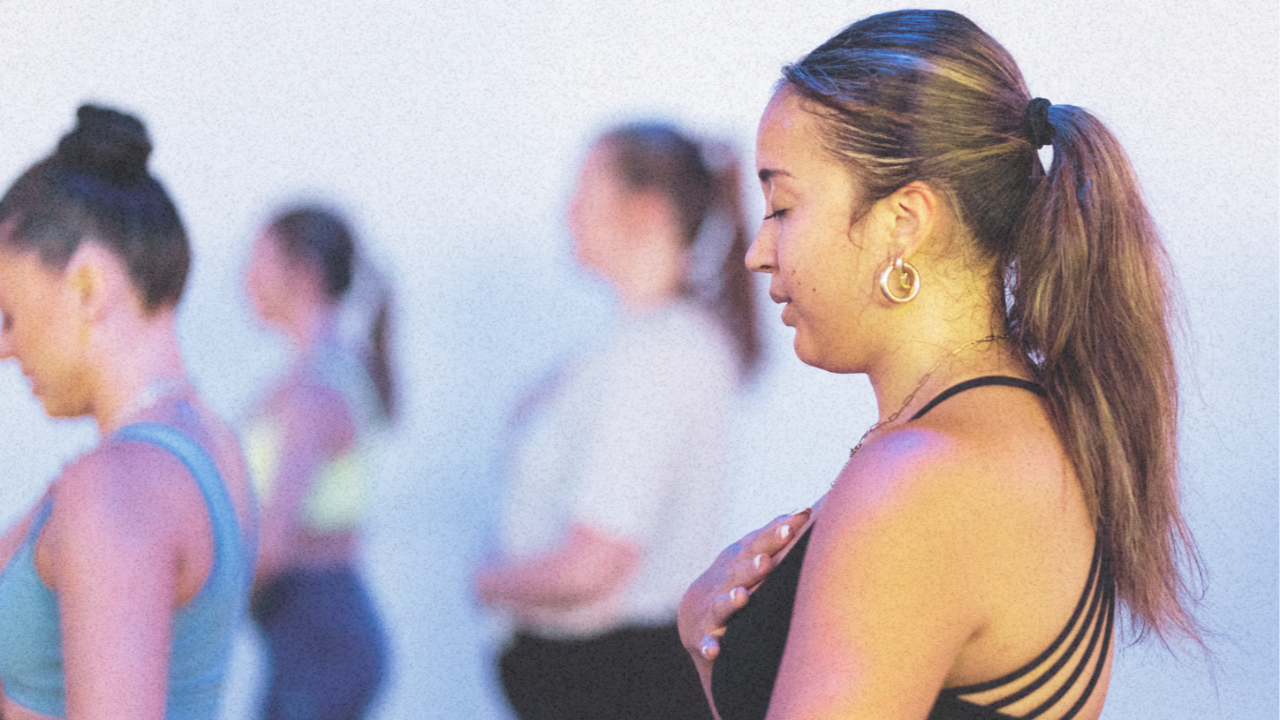
After spending the last twenty years in the fitness industry, I have a prediction.
I think it’s going to become a lot less about what we’re doing and a lot more about how we’re doing it.
I came into this work through yoga in the early 2000s, when yoga was exploding in popularity. Since then, I’ve watched wave after wave of movement trends rise to prominence. Yoga. Spin. Barre. Reformer Pilates. HIIT. Strength training. Hot classes. Cold plunges. Wearables. Recovery tools.
Every few years, something new becomes the thing.
As someone who helps support a large movement studio and spends most of my days teaching, training teachers, and observing human behavior, I’ve started to form my own predictions about where we’re headed next.
And perhaps my biggest prediction is this:
The next fitness trend won’t be a trend at all.
It will be integration.
For years, we’ve tended to approach movement as if we needed to choose a lane. Maybe you’re a runner. A yogi. A lifter. A barre enthusiast. A Pilates devotee.
But we’re entering a new era where information is more accessible than ever before. With AI, wearables, podcasts, online education, and endless health content at our fingertips, people no longer need to rely on a single expert or a single methodology to guide every decision.
In many ways, we’re becoming experts on ourselves.
At the same time, we’re learning more about the human body than ever before. And what the science continues to reinforce is surprisingly simple: our bodies thrive on variety.
Strength matters.
Mobility matters.
Balance matters.
Cardiovascular fitness matters.
Bone density matters.
Recovery matters.
The healthiest, most resilient bodies are rarely built through a single movement practice. They’re built through exposure to many different challenges, many different planes of movement, and many different ways of experiencing physical effort.
A strong movement practice might include lifting weights, walking, running, yoga, Pilates, barre, mobility work, and recovery practices, all at different times and for different reasons.
Rather than asking, “Which modality is best?” I think we’re beginning to ask a better question:
“What combination of movement helps me feel my best?”
But I think there’s an even bigger shift happening beneath the surface.
As fitness becomes more integrated, I believe some of yoga’s most valuable lessons will begin spreading into every corner of the movement world.
For decades, yoga has offered something that many other fitness modalities largely ignored: the practice of paying attention.
Interoception. Self-awareness. Curiosity. The ability to notice what you’re feeling while you’re moving.
In modern yoga classes, many teachers have shifted away from simply telling students what to do. Instead, they’re helping students develop a relationship with their own experience. They’re encouraging students to notice, explore, adjust, and become more embodied.
I don’t think those skills are going to stay confined to yoga.
I think they’re going to become essential everywhere.
In the future, the best strength coaches won’t simply tell people to push harder. They’ll help students understand the difference between challenge and overwhelm.
The best running coaches won’t only focus on pace and performance. They’ll help athletes understand recovery, nervous system regulation, and sustainable effort.
The best barre, Pilates, and group fitness instructors won’t just deliver workouts. They’ll help students develop awareness, resilience, and trust in their own bodies.
And perhaps most importantly, they’ll help students learn how to move between effort and recovery.
How to challenge the nervous system and then bring it back to a state of rest.
How to work hard without becoming disconnected from themselves.
How to build fitness without sacrificing wellbeing.
This is one of the reasons I’m so optimistic about the future of our industry.
For all the concern about AI, technology, and information overload, I actually think these changes are pushing us toward something deeply human.
People still want community.
People still want connection.
People still want to feel seen.
And increasingly, people want movement experiences that support not only their physical health, but their emotional and mental wellbeing as well.
The movement professionals who thrive in the years ahead won’t necessarily be the ones teaching the newest trend.
They’ll be the ones creating environments where people feel connected to themselves, to their bodies, and to one another.
Because in the end, I don’t think the future of fitness will be defined by what we’re doing.
Whether we’re lifting weights, practicing yoga, taking a barre class, running trails, or doing Pilates matters far less than it once did.
What will matter is how we do those things.
With awareness.
With community.
With curiosity.
With enough challenge to grow and enough wisdom to recover.
I think that’s where fitness is headed.
And honestly, I’m really excited about it!
- Shae
If you are nodding along and feeling seen while reading, we are so glad! View our course catalog to dive deeper.
Stay connected with news and updates!
Join our mailing list to receive the latest news and updates from our team.
Don't worry, your information will not be shared.
No SPAM here! We will never sell your information, for any reason.